
What Is Leather Conditioner & Why It Matters
What Is Leather Conditioner & Why It Matters
Leather conditioner for shoes is a nourishing care product designed to restore the natural oils and moisture that leather loses over time. Unlike shoe polish which mainly adds color and shine a leather conditioner penetrates deep into the leather fibers to hydrate, soften, and protect them.
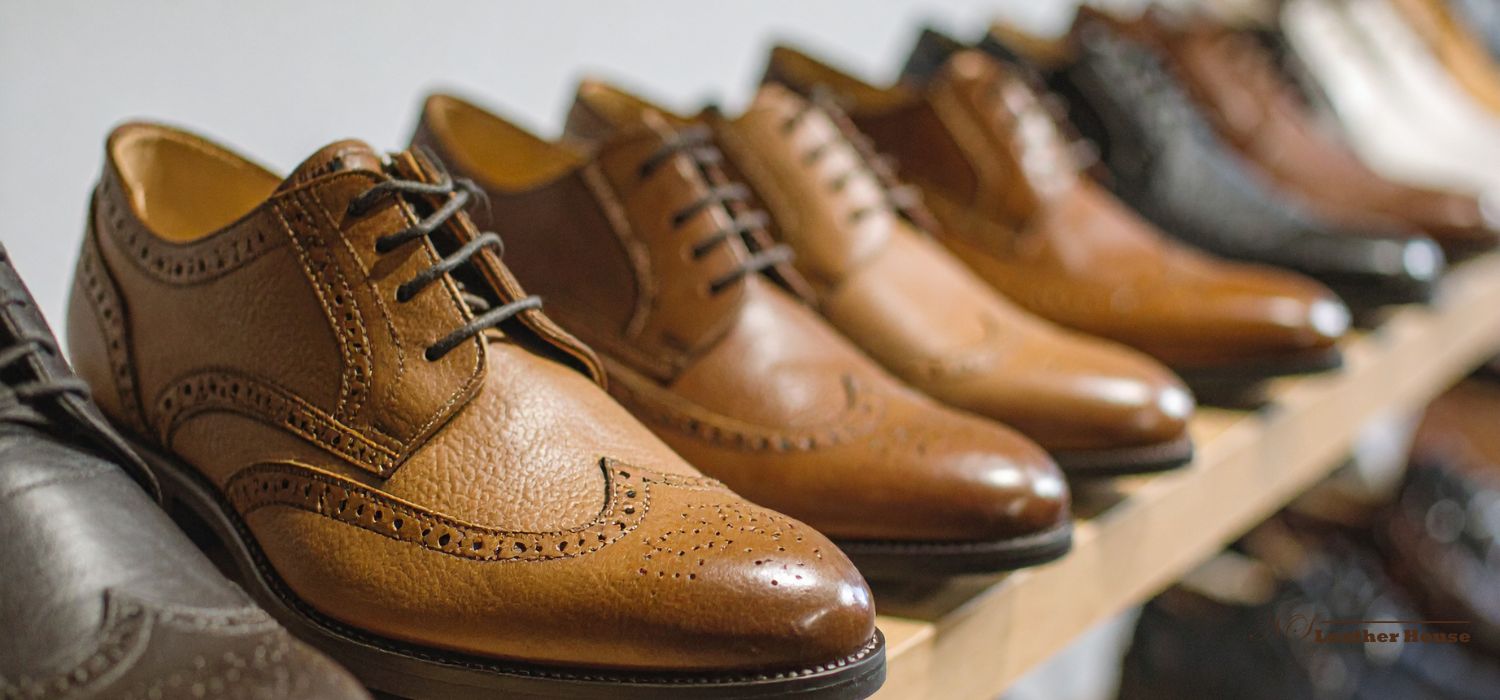
Regular leather shoe conditioning helps prevent cracking, flaking, and dullness, keeping your shoes looking new for longer. It also improves durability and adds light resistance against stains and moisture. In simple terms, leather conditioner is essential if you want your shoes to stay comfortable, flexible, and long lasting.
Types of Leather Conditioners for Shoes
1. Cream-Based Leather Conditioners
Cream conditioners are made with a balanced blend of oils, waxes, and moisturizing agents.
Benefits:
-
Restores flexibility without heavy darkening
-
Ideal for dress shoes and colored leather
-
Buffs easily and works well with shoe polish
Best for:
Everyday leather footwear that needs balanced moisture and a clean finish.
2. Oil-Based Leather Conditioners
Oil-based conditioners are made from ingredients like mink oil, neatsfoot oil, coconut blends, or synthetic oils.
Benefits:
-
Deeply moisturizes dry, stiff, or aged leather
-
Excellent for restoring neglected shoes and boots
Caution:
These conditioners may darken leather or alter its finish. Always do a patch test first.
Best for:
Heavy-duty boots, cracked leather, and restoration projects.
Related keywords: mink oil vs leather conditioner, leather conditioner for boots
3. Wax-Based Leather Conditioners
Wax conditioners are usually made from beeswax or synthetic waxes and sit more on the surface.
Benefits:
-
Creates a protective, water-resistant layer
-
Adds light shine
-
Protects leather from moisture and dirt
Best for:
Outdoor shoes and boots exposed to rain or daily wear.
4. Natural vs Synthetic Leather Conditioners
-
Natural conditioners: Beeswax, lanolin, natural oils
-
Synthetic conditioners: Engineered for consistency, UV protection, and color safety
Which Type of Leather Conditioner Is Best?
-
Cream conditioner → Best for dress shoes
-
Oil conditioner → Best for restoring very dry leather
-
Wax conditioner → Best for protection and waterproofing
How to Choose the Right Leather Conditioner
1. Identify Your Leather Type
-
Full-grain & top-grain leather: Most conditioners are safe
-
Suede & nubuck: Never use creams or oils
-
Vintage or aniline leather: Use mild, pH balanced cream conditioners
Keyword focus: leather conditioner for boots
link:Men’s Work Boots & Safety Shoes
2. Do a Color Safety Test
Apply a small amount to a hidden area (inside tongue or welt).
Why it matters:
Some conditioners can slightly darken leather.
Common question answered:
Will leather conditioner change shoe color?
Yes sometimes. Always test first.
3. Check the Ingredients
Choose leather conditioners that are:
-
Petroleum-free
-
Made with quality oils or beeswax
-
Free from harsh chemicals and silicones
Wax based conditioners are ideal when waterproofing is needed.
4. Compare Brands & Reviews
Always choose products recommended for your leather type whether dress shoes, boots, or luxury leather.
👉 Internal link opportunity: Best Leather Conditioner for Shoes
5. How Often Should You Condition Leather Shoes?
-
Daily-wear shoes: Every 3 6 months
-
Boots in harsh conditions: Every 1 2 months
Keyword: leather conditioning tips
How to Apply Leather Conditioner (Step-by-Step)
Step 1: Clean the Shoes
Remove dirt and old polish using a brush or leather cleaner.
👉 Internal link: Shoe Cleaning Guide
Step 2: Patch Test
Apply a small amount to a hidden area and wait 10–20 minutes.
Step 3: Apply Evenly
Use a soft cloth or applicator brush. Apply thin layers in circular motions.
Keyword: how to condition leather shoes
Step 4: Let It Absorb
Allow the conditioner to absorb for 15–30 minutes (longer for oil-based products).
Avoid heat sources.
Step 5: Buff for Shine
Buff using a microfiber cloth or horsehair brush.
Optional: finish with a light wax for added protection.
Keyword: leather care routine
Common Mistakes to Avoid When Conditioning Leather
-
Over conditioning (causes greasy leather)
-
Using oil on delicate dress shoes
-
Conditioning dirty shoes
-
Skipping drying time
-
Ignoring brand specific instructions
Keyword: leather conditioning mistakes
Best Leather Conditioner Brands (Recommended)
1. Saphir Renovateur
Pros: Premium results, color-safe
Cons: Expensive
2. Leather Honey Conditioner
Pros: Deep, long lasting conditioning
Cons: May darken light leather
3. Bickmore Bick 4
Pros: No darkening, beginner friendly
Cons: Limited water resistance
4. Neatsfoot Oil
Pros: Excellent for restoring very dry leather
Cons: Strong darkening; not for dress shoes
5. Beeswax-Based Wax Conditioner
Pros: Strong water resistance
Cons: Less deep moisturization
Keywords: best leather care products, top leather conditioner brands
FAQs About Leather Conditioner
Does leather conditioner remove scratches?
It reduces light scratches but cannot fix deep damage.
Is coconut oil safe for leather shoes?
No. It darkens leather and oxidizes over time.
No. Use suede-specific sprays only.
Should I condition new leather shoes?
Yes—lightly, unless the brand says they are pre-treated.
Final Thoughts
Leather conditioner is essential if you want your shoes to stay soft, flexible, and crack-free. By choosing the right conditioner and following a simple clean → condition → buff routine, you can significantly extend the life of your footwear.
Take care of your shoes the right way:
Explore our, shop premium shoe care accessories, or learn how to waterproof leather shoes for year-round protection.
Optional SEO Extras (Tell me if you want these)
-
Meta title & meta description
-
FAQ schema (JSON-LD)
-
Internal linking map for your shoe store
-
Local SEO version (Pakistan-focused)