
Leather Sole Shoes: Complete 2026 Style & Care Guide
Introduction Paragraph for Leather Soled Shoes
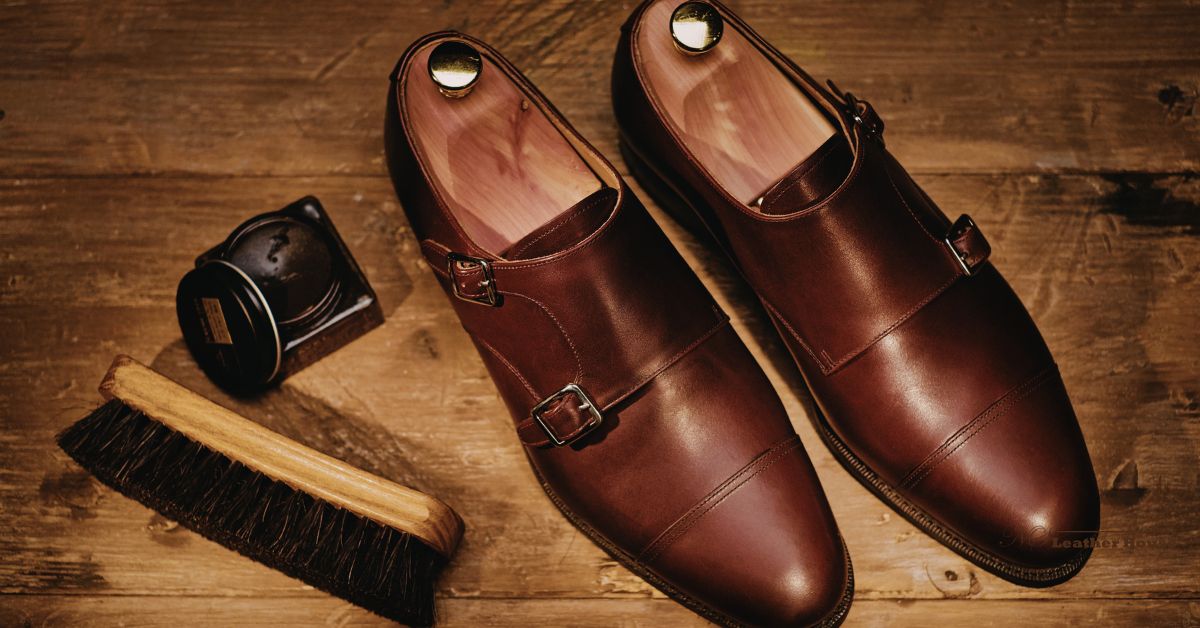
Leather soled shoes represent the pinnacle of traditional footwear craftsmanship that distinguished gentlemen have trusted for generations. These elegant shoes feature a natural leather outsole instead of synthetic rubber, offering superior breathability and refined sophistication. The quality leather upper seamlessly connects to hand-stitched soles through time-honored construction methods like Goodyear construction. What makes leather sole dress shoes truly special is their ability to be re-soled multiple times, transforming them into genuine lifetime shoes.
When you invest in premium leather soled shoes, you’re embracing the buy less/buy better philosophy that prioritizes lasting quality over disposable fashion. This comprehensive guide explores everything about selecting, wearing, and maintaining these timeless designs that elevate any professional wardrobe with unmatched elegance.
What Are Leather Sole Shoes?
Leather soled shoes represent the pinnacle of traditional footwear craftsmanship. These elegant shoes feature a natural leather outsole instead of synthetic rubber or plastic materials. The quality leather upper connects to a sole made entirely from tanned animal hide, creating breathable and sophisticated footwear. Distinguished gentlemen have relied on leather sole dress shoes for centuries because they offer unmatched elegance and timeless appeal. When you slip on a pair of premium footwear with leather soles, you’re wearing a piece of artisanal heritage that traces back through generations of skilled cobblers.
The enduring popularity of leather soled shoes stems from their unique combination of flexibility, breathability, and refined aesthetics. Unlike rubber alternatives, leather allows your feet to breathe naturally throughout the day. Goodyear welt construction and hand-stitched soles enable these shoes to be re-soled multiple times, transforming them into lifetime shoes rather than disposable fashion. This guide covers everything you need to know about selecting, wearing, and maintaining these timeless designs that elevate any wardrobe from ordinary to extraordinary.
History and Evolution of Leather Sole Footwear
Ancient civilizations discovered that tanned animal hides provided superior protection and comfort for feet. Roman soldiers marched across empires in sandals featuring leather soles, while medieval craftsmen developed increasingly sophisticated techniques for attaching soles to uppers. The traditional shoemaking methods perfected during these early periods established foundations that modern cobbler craftsmanship still honors today. European guilds guarded their secrets jealously, passing knowledge from master to apprentice across generations. By the Renaissance, heritage footwear had become a marker of social status and refined taste throughout Europe.
The Industrial Revolution transformed shoe production but didn’t diminish the appeal of handcrafted leather sole dress shoes. Machines could produce cheaper alternatives, yet discerning customers continued seeking hand-stitched soles and bespoke shoemaking. The 20th century witnessed refinements in Norwegian construction techniques and tanning processes that improved durability and comfort. Today’s renaissance of interest in artisan footwear reflects modern consumers’ appreciation for quality over quantity. Contemporary shoemakers blend time-tested methods with subtle innovations, creating shoes that honor tradition while meeting current expectations for style and longevity.
Types of Leather Used in Shoe Soles
Full-Grain Leather Soles
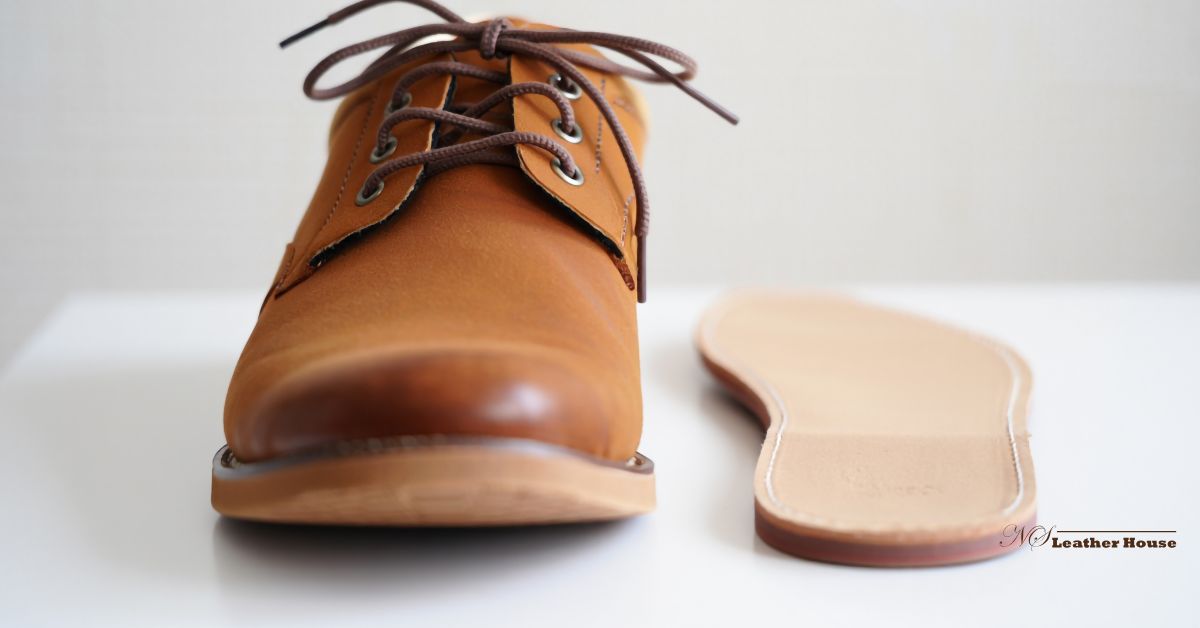
Full-grain leather represents the highest quality material for shoe soles. This vegetable-tanned leather retains the hide’s complete grain structure, providing exceptional durability and the ability to develop a beautiful natural patina over time. The breathable material allows moisture to escape while maintaining structural integrity under daily stress. Premium shoemakers prize full-grain leather because it molds to your foot’s unique contours, creating increasingly comfortable fit with each wear. Unlike corrected or split leather, full-grain leather displays the hide’s authentic character, including minor imperfections that verify its genuine nature.
Oak-Bark Tanned Leather
The eco-friendly tanning process using oak bark takes months rather than days but produces incomparably durable leather soles. This ancient method creates sustainable footwear without harsh chemicals that harm the environment. The resulting leather develops rich amber tones and exceptional resistance to wear. Shoemakers willing to invest time in oak-bark tanned leather demonstrate commitment to both quality and environmental responsibility. These soles cost more initially but deliver superior longevity and develop character that synthetic materials simply cannot replicate.
Cordovan Leather
Shell cordovan comes from horse leather and ranks among the most luxurious materials available for luxury dress shoes. Its dense fiber structure creates remarkably smooth, almost glass-like surfaces that resist creasing and water damage better than calf leather. Cordovan’s unique characteristics make it perfect for special occasion shoes and investment pieces. The material’s rarity and labor-intensive tanning process justify premium pricing, yet devotees consider cordovan worth every penny for its unmatched durability and distinctive appearance.
| Leather Type | Durability | Price Range | Best For |
| Full-Grain | Excellent | $$-$$$ | Daily wear, business shoes |
| Oak-Bark Tanned | Outstanding | $$$-$$$$ | Investment pieces, formal occasions |
| Cordovan | Exceptional | $$$$-$$$$$ | Special events, luxury collection |
Leather Sole vs Rubber Sole: Complete Comparison
Durability and Longevity Factors
Leather vs rubber soles presents a fascinating study in competing priorities. Rubber soles resist abrasion on rough surfaces and handle wet conditions without immediate damage. However, leather soles excel in the resoling process, allowing complete replacement when worn through. A quality pair with Goodyear construction can undergo multiple resolings, effectively providing decades of service. This footwear investment approach means your initial purchase price divides across many years of wear. Rubber-soled shoes typically get discarded when soles wear out because replacing them costs nearly as much as buying new shoes.
Comfort and Breathability Analysis
Your foot health benefits significantly from leather’s superior breathability compared to synthetic materials. Natural materials allow air circulation and moisture evaporation that rubber completely blocks. Leather’s flexibility creates moldable soles that conform to your unique foot shape over time. This customization process explains why broken-in leather soled shoes feel infinitely more comfortable than new ones. Temperature regulation improves dramatically with leather, keeping feet cooler in summer and warmer in winter than rubber alternatives manage.
Weather Resistance and Practicality
Honest assessment reveals that water-resistant footwear isn’t leather’s strong suit. Heavy rain quickly penetrates leather soles, potentially causing damage that requires professional attention. Slippery surfaces also pose challenges because new leather soles lack the aggressive tread patterns found on rubber. However, strategic application of rubber taps on heels and toe areas dramatically improves traction concerns without sacrificing the aesthetic benefits. Understanding these limitations helps you choose appropriate footwear for specific weather conditions and environments.
Style and Aesthetic Considerations
The visual elegance of sleek leather soles remains unmatched in formal and business attire contexts. Their sophisticated appearance signals attention to detail and appreciation for quality that rubber simply cannot convey. Dress code requirements for classic styling often specifically mandate leather-soled footwear because rubber reads as too casual. The thin profile of leather sole dress shoes creates elegant proportions that complement slim tailoring and lightweight fabrics beautifully. This dress code appropriate aesthetic makes leather the default choice for anyone serious about projecting professional polish.
| Factor | Leather Soles | Rubber Soles |
| Breathability | Excellent | Poor |
| Weather Resistance | Limited | Excellent |
| Resoling Capability | Yes (multiple times) | No |
| Formal Appearance | Superior | Casual |
| Initial Cost | Higher | Lower |
| Long-term Value | Outstanding | Limited |
| Break-in Required | Yes | Minimal |
Benefits of Wearing Leather Soled Shoes
Superior breathability prevents the uncomfortable foot odor and moisture buildup that plague rubber-soled alternatives. Your feet stay noticeably drier throughout long days at the office or extended social events. The ventilated footwear design allows natural air exchange that maintains comfortable temperature regulation regardless of season. Flexible sole design permits natural foot movement during walking, reducing fatigue and strain on joints and muscles. This biomechanical advantage becomes increasingly apparent during extended wear periods. The professional appearance elevates your entire outfit, transforming even basic business professional shoes into statement pieces that communicate sophistication and attention to detail.
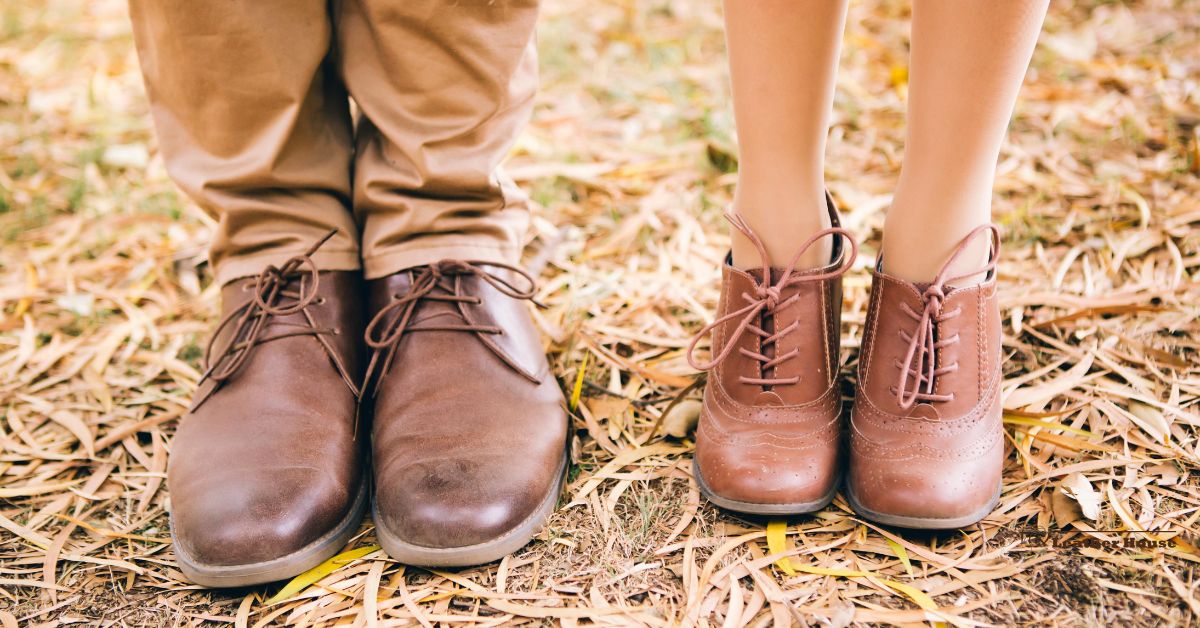
Long-term cost savings through repairable footwear capabilities offset higher initial investment dramatically. Quality leather sole dress shoes accept multiple resolings over their lifetime, each costing $75-150 compared to $300-500 for replacement shoes. Environmental sustainability of natural materials appeals to increasingly eco-conscious consumers who reject disposable fashion culture. The sustainable fashion movement embraces leather’s biodegradability and longevity as antidotes to petroleum-based synthetics that persist in landfills for centuries. Investment pieces with leather soles become cherished wardrobe staples rather than temporary possessions, developing character and sentimental value alongside their functional utility.
Disadvantages and Limitations of Leather Soles
Vulnerability to water damage ranks as leather’s most significant weakness. Even brief exposure to heavy rain can cause leather to swell, lose shape, and develop permanent stains. The moisture sensitivity requires constant vigilance about weather conditions before wearing your prized leather soled shoes. Wet leather loses structural integrity and becomes susceptible to cracking if not dried and conditioned properly. Initial slipperiness on smooth surfaces like polished marble or wet pavement creates genuine safety concerns. New leather soles feel alarmingly slick until scuffing and wear create traction-enhancing roughness. Protective measures like rubber heel taps become essential additions before first wear.
Higher maintenance requirements compared to synthetic alternatives demand regular attention and specialized products. The shoe care routine for leather soles involves cleaning, conditioning, and protective treatments that rubber never needs. Break-in periods can range from mildly uncomfortable to genuinely painful depending on shoe construction and leather stiffness. The breaking-in process requires patience and strategic wearing schedules to avoid blisters and pressure points. Premium pricing compared to rubber-soled options represents a genuine barrier for budget-conscious consumers. Luxury pricing reflects quality materials and construction but makes leather soles an aspirational purchase rather than accessible commodity for many buyers.
Best Types of Shoes with Leather Soles
Oxford Dress Shoes
Cap-toe oxfords with leather soles epitomize formal footwear elegance. The closed lacing system creates sleek lines that pair perfectly with business attire and formalwear. These conservative dress shoes work equally well for important presentations and black-tie events. The marriage of oxford styling with leather soles produces footwear that transcends temporary trends and remains perpetually appropriate.
Derby and Blucher Styles
Derby shoes featuring open lacing offer slightly more relaxed styling suitable for smart casual footwear contexts. The versatile dress shoes transition seamlessly between office environments and weekend social engagements. Their round toe shape provides comfort for longer wear periods while maintaining refined appearance that casual trousers and quality denim deserve.
Monk Strap Shoes
Distinctive buckle shoes present modern alternatives to traditional lace-ups without sacrificing sophistication. The contemporary styling appeals to fashion-forward gentlemen seeking fashion-forward footwear that stands out subtly. Double monk straps particularly benefit from leather soles that balance their bold hardware with refined understatement.
Loafers and Slip-Ons
Penny loafers and tassel variations deliver effortless sophistication perfect for summer footwear and transitional seasons. These laceless shoes embody preppy style while offering convenience that lace-ups cannot match. Leather soles enhance loafers’ dressy character, elevating them beyond casual slip-ons into legitimate business casual options.
Chelsea Boots
Elastic-sided boots with leather soles provide year-round versatility few other styles achieve. The ankle footwear design works beautifully with everything from suits to dark denim. Versatile boots featuring leather soles blur boundaries between dress shoes and casual footwear, creating wardrobe workhorses that handle diverse styling challenges effortlessly.
Men’s Dress Shoes Guide: Styles with Leather Soles
The Classic Cap-Toe
The simple captoe shoes represent your most basic yet endlessly versatile option. If you’re seeking a workhorse shoe for day-to-day business requirements, unembellished captoes in chocolate brown leather or black leather deliver reliable performance. Look for pairs featuring thin soles and toe boxes with elegant shapes that follow your foot’s natural contours. The toe cap creates visual interest without excessive ornamentation, making these shoes appropriate for virtually any professional context.
Wingtip Brogues
Wingtip shoes generally appear sleeker and more elongated than captoes. The distinctive wings (wingtip lines) extending along the sides create dynamic visual movement. Decorative perforations around the lace box and along seam edges add character and texture. The toe medallion frequently features intricate patterns that showcase shoemaker artistry. These brogue detailing elements originally identified country shoes but have evolved into acceptable business casual dress options when executed in refined leathers and conservative colors.
Whole-Cut Dress Shoes
Wholecut shoes crafted from single pieces of leather achieve seamless construction that represents the pinnacle of shoemaking skill. This minimalist design eliminates unnecessary seams and stitching for ultra-sleek profiles. The luxury craftsmanship required to create shoes from uninterrupted leather panels justifies premium pricing. These sophisticated options work beautifully for special occasions and situations demanding maximum visual impact without ostentatious decoration.
Spectator Shoes
Two-tone footwear makes bold statements through contrasting leather colors or material combinations. The vintage styling recalls 1920s and 1930s fashion when spectators epitomized old-school fancy shoes. Black calfskin typically covers toes and heels while black suede quarters create subtle tonal variation. Modern interpretations suitable for semi-formal attire tone down historical flashiness while retaining distinctive character that stands out appropriately at weddings and upscale social events.
Longwing Brogues
Longwing shoes feature American footwear heritage with wingtip lines extending completely around heels. These casual dress shoes typically display heavier broguing and chunky soles than their dressier cousins. Pebble grain leather and cordovan leather frequently appear in longwing construction, emphasizing their relaxed character. Save these for casual Fridays and weekend wear rather than important business meetings or formal occasions.
| Style | Formality Level | Best Occasions | Body Type Match |
| Cap-Toe | Most Formal | Business, formal events | All body types |
| Wingtip | Formal to Business Casual | Office, semi-formal | Slimmer builds |
| Wholecut | Very Formal | Special occasions, black-tie | All body types |
| Spectator | Semi-Formal | Weddings, garden parties | Confident dressers |
| Longwing | Business Casual | Friday office, weekends | Heavier builds |
How to Choose the Right Leather Soled Shoes
Consider Your Lifestyle and Daily Activities
Assess your typical routine honestly before committing to leather sole dress shoes. Office workers spending most time indoors benefit maximally from leather’s breathability and elegant appearance. The professional requirements of client-facing roles often mandate dress shoes that project polish and attention to detail. Outdoor professionals or those working in unpredictable environments might find leather soles impractical despite their aesthetic appeal. Lifestyle footwear choices succeed when they align with actual wearing patterns rather than aspirational scenarios that rarely materialize.
Match Shoes to Your Climate
Dry climates favor leather soled shoes dramatically because moisture concerns essentially disappear. Desert regions and arid environments create ideal conditions where leather’s few weaknesses rarely surface. Climate considerations become critical in rainy regions where rubber soles provide necessary protection. However, strategic approaches like maintaining separate weather-appropriate footwear wardrobes allow leather sole enjoyment even in challenging climates. Regional footwear preferences often reflect these environmental realities, with leather dominating warm, dry areas while rubber prevails in wet, cold regions.
Fit and Sizing Essentials
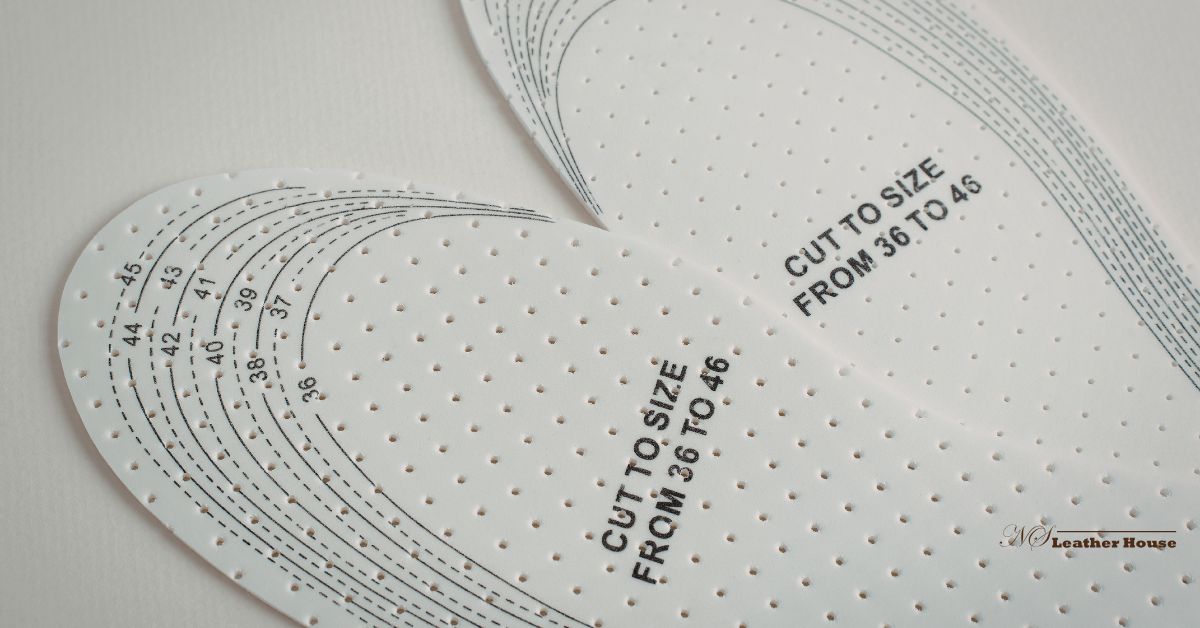
Proper sizing prevents blisters and long-term foot problems that compromise your enjoyment of beautiful shoes. Always try shoes during afternoon hours when feet naturally swell to maximum daily size. Foot measurement shouldn’t rely solely on remembered sizes because dimensions change with age and weight fluctuations. Quality retailers offer professional fitting services that assess length, width, and arch support needs comprehensively. Comfortable fit feels snug without pinching, with roughly thumbnail’s width between longest toe and shoe end.
Quality Indicators to Look For
Examine stitching carefully for consistency and tight spacing that indicates careful craftsmanship. Quality benchmarks include clean welt stitching with no loose threads or irregular spacing. The construction method fundamentally determines longevity, with Goodyear welted construction providing best resoling potential. Craftsmanship details like burnished edges and consistent dye application separate exceptional shoes from merely adequate ones. Quality leather displays natural grain patterns rather than uniform artificial textures characteristic of corrected leather.
Breaking In Your Leather Soled Shoes: Step-by-Step Guide
Week One: Initial Wear Sessions
Start conservatively with 30-minute indoor sessions that allow gradual adaptation without risking serious discomfort. The breaking-in period requires patience that pays dividends through perfectly molded shoes. Wear thick socks during initial wear to provide cushioning that prevents friction prevention problems. Walk around your home on carpeted surfaces that protect new soles from excessive abrasion. Monitor your feet constantly for hot spots that signal developing pressure points requiring attention before they become painful blisters.
Week Two: Gradual Time Increases
Extend wearing duration to 2-3 hours daily as initial stiffness begins yielding to foot contours. The gradual adaptation process respects leather’s natural resistance while encouraging desired flexibility. Continue focusing on blister prevention by addressing any persistent pressure points immediately. Apply moleskin or specialty pads to vulnerable areas before they develop into actual injuries. The comfort adjustment timeline varies based on leather thickness and shoe construction, with some pairs requiring minimal break-in while others demand weeks of patient conditioning.
Techniques to Speed Up Break-In
Quality leather conditioning products soften stiff areas without compromising structural integrity. Apply conditioner to tight spots around ankles and across vamps where flex creases form. Professional shoe stretching services handle problem areas that resist home remedies. Cobblers possess specialized equipment that applies targeted pressure to specific tight spots. Accelerated break-in methods should never involve extreme measures like soaking shoes or aggressive flexing that damages construction. Patience ultimately proves faster than rushed approaches that risk permanent damage requiring costly repairs.
Essential Care and Maintenance for Leather Soles
Daily and Weekly Care Routines
Brush off dirt after each wear immediately before particles embed in leather grain. The simple act of dirt removal takes 30 seconds but prevents long-term deterioration. Shoe rotation allows proper drying time between wears, with 24-48 hours minimum recommended. Moisture absorbed during wear needs evaporation time that prevents bacterial growth and material breakdown. Cedar shoe trees inserted immediately after removal absorb dampness while maintaining proper shape.
Monthly Deep Cleaning and Conditioning
Clean soles with damp cloth and saddle soap to remove accumulated grime without excessive moisture. The deep cleaning process requires gentle circular motions that lift dirt without saturating leather. Apply quality conditioning treatment after cleaning to restore oils that wear removes gradually. Conditioned leather resists cracking and maintains flexibility that unconditioned leather loses over time. Balance exists between over-conditioning that softens leather excessively and under-conditioning that allows brittleness to develop.
Storage Best Practices
Cedar shoe trees provide dual benefits of moisture control and shape maintenance during storage. The aromatic wood naturally repels insects while absorbing residual dampness. Store shoes in cool, dry locations away from direct sunlight that fades colors and dries leather excessively. Proper storage in breathable bags protects against dust while preventing moisture accumulation. Climate-controlled environments ideal for humans generally suit leather shoes perfectly, avoiding extreme temperature or humidity fluctuations that cause material stress.
| Maintenance Task | Frequency | Time Required | Products Needed |
| Brush & Tree | After each wear | 2 minutes | Horsehair brush, shoe trees |
| Condition Uppers | Monthly | 10 minutes | Leather conditioner, cloth |
| Polish | Bi-weekly | 15 minutes | Wax polish, brushes |
| Deep Clean Soles | Monthly | 5 minutes | Saddle soap, damp cloth |
| Professional Service | Annually | N/A | Cobbler visit |
How to Make Leather Soles Last Longer
Apply rubber sole protectors before first wear to prevent premature damage at high-impact areas. The thin protective layer, often called topy installation, adds minimal bulk while dramatically extending sole life. Avoid wearing leather soled shoes in rain or snow whenever possible, saving them for dry weather outings. Preventive maintenance costs far less than major repairs resulting from neglect. Rotate between multiple pairs regularly to distribute wear evenly and allow adequate rest periods. Shoes worn daily lack recovery time needed for leather to fully dry and regain resilience.
Walk consciously to minimize dragging and scuffing that accelerates wear unnecessarily. The walking technique emphasizing heel-to-toe rolling motion reduces sole abrasion significantly. Address small issues immediately before they escalate into major problems requiring extensive repairs. Proactive repairs like replacing worn heel tips cost $15-25 compared to $75-150 for complete resoling. Quality cobbler services provide expertise that extends shoe lifespan by years through timely interventions. Building relationships with skilled cobblers ensures access to craftsmen who understand your shoes’ specific needs and construction details.
Leather Sole Repair and Restoration Guide
When to Resole Your Shoes
Look for holes or excessive thinning that signals structural compromise requiring professional attention. Wear patterns concentrate damage in specific areas, typically balls of feet and heels. Resoling indicators include feeling pavement texture through soles or visible daylight penetrating through worn spots. Repair timing matters significantly because delaying beyond certain damage thresholds makes restoration impossible. Once water penetrates to cork footbeds or damages upper stitching, resoling alone cannot fully restore shoes. Address problems while uppers remain in good condition to maximize investment value.
DIY Minor Repairs
Scuff removal responds well to matching shoe polish applied with soft cloth using circular motions. Minor repairs like loose stitching sometimes accept super glue applications that buy time until professional service. Home maintenance has definite limits beyond which cobbler expertise becomes essential. Attempting complex repairs without proper tools and training often causes more damage than original problems. Know when to defer to professionals rather than risk ruining valuable shoes through misguided DIY attempts.
Professional Resoling Process
Quality cobbler resoling involves removing old soles completely and preparing surfaces for new leather attachment. The professional repair process respects original construction methods, whether Goodyear welt or Blake stitch. Restoration costs typically range $75-150 for complete resoling depending on shoe construction complexity and leather quality. Turnaround time varies from one week to one month based on cobbler workload and custom requirements. Reputable cobblers provide detailed estimates and set realistic completion timeframes before accepting shoes.
Finding Quality Cobblers
Ask potential repair shops detailed questions about their experience with your shoe brand and construction type. Cobbler selection requires researching candidates through online reviews and personal recommendations. Quality craftsmen display pride in their work through portfolio examples and willingness to discuss technique details. Red flags include vague answers, rushed consultations, and inability to explain their process clearly. Repair shops lacking specialized equipment for Goodyear welt construction should be avoided for premium shoes.
Best Weather Conditions for Leather Soled Shoes
Ideal Weather: Dry and Moderate
Sunny, dry weather showcases leather sole dress shoes perfectly without moisture damage risks. The optimal conditions allow leather to perform exactly as designed, providing breathability and comfort. Indoor occasions remain appropriate regardless of outdoor conditions because climate-controlled environments protect shoes. Wedding venues, concert halls, and office buildings offer safe havens where leather soles thrive. Temperature extremes matter less than precipitation when evaluating wearing conditions.
Challenging Conditions: Rain and Snow
Heavy moisture exposure damages leather soles quickly through swelling and potential cracking. The water damage repair process often costs more than preventive measures like rubber taps or galoshes. Emergency care protocols include immediate drying with towels followed by 24-48 hours with shoe trees. Never apply direct heat from radiators or hair dryers that cause leather to crack irreparably. Room temperature air drying allows gradual moisture release without material stress.
Seasonal Considerations
Spring and fall present moderate risks requiring weather monitoring before wearing leather soles. Seasonal wear planning accounts for regional precipitation patterns and temperature fluctuations. Summer heat dries and cracks leather without proper conditioning treatments that replace lost moisture. Weather planning involves checking forecasts and maintaining backup rubber-soled options for unpredictable days. Climate adaptation strategies include seasonal wardrobe rotations that maximize appropriate footwear usage throughout the year.
Top Brands Making Quality Leather Soled Shoes in 2026
Luxury Tier ($500-$1500+)
John Lobb, Edward Green, and Berluti lead the premium shoemakers segment with decades of heritage craftsmanship. These luxury brands offer bespoke footwear programs that create custom shoes fitted precisely to your feet. Savile Row artisans working in these houses possess skills passed through generations of apprenticeships. The extraordinary pricing reflects genuine quality differences including superior leather selection and time-intensive construction methods. Investment at this level purchases heirloom-quality shoes that outlast their owners with proper care.
Mid-Range Excellence ($250-$500)
Allen Edmonds, Meermin, and Carmina deliver exceptional quality-to-price ratio that democratizes fine footwear. These mid-tier brands utilize same Goodyear construction as luxury competitors while streamlining less critical aspects. The value footwear category proves you needn’t spend thousands for genuinely excellent shoes. Smart consumers recognize that diminishing returns begin above $500, with luxury premiums funding brand prestige more than proportional quality increases. These brands represent sweet spots where quality meets accessibility.
Entry-Level Quality ($150-$250)
Thursday Boot Company and Beckett Simonon surprise with quality that punches above their weight class. The affordable quality segment benefits from direct-to-consumer business models eliminating retail markup. Entry-level dress shoes from reputable makers provide solid introduction to leather soles without intimidating investment. Budget-friendly options allow experimentation with styles before committing to premium purchases. Quality gaps separating these from mid-range offerings remain noticeable but don’t preclude years of satisfactory service.
American Heritage Brands
Alden, Rancourt, and Oak Street Bootmakers champion domestic production with made-in-USA commitments. These American-made heritage brands preserve manufacturing traditions and skilled labor within United States borders. Supporting domestic shoemaking sustains communities and crafts that global manufacturing threatens. Premium pricing reflects fair wages and regulatory compliance that offshore production avoids. Customers valuing economic patriotism and supply chain transparency gravitate toward these proud American manufacturers.
| Brand | Price Range | Construction | Specialty | Made In |
| John Lobb | $1200-3000 | Goodyear/Handwelted | Bespoke services | England |
| Allen Edmonds | $300-500 | Goodyear | American classics | USA |
| Meermin | $200-350 | Goodyear | European styling | Spain |
| Thursday Boot | $150-250 | Goodyear | Modern designs | Mexico |
| Alden | $500-800 | Goodyear | Shell cordovan | USA |
Price Guide: How Much Should You Invest?
The Golden Rule of Footwear Investment
A $360 pair lasts exponentially longer than $90 pair through superior materials and resoling capabilities. The golden rule of footwear recognizes that unit economics favor quality over cheap disposability. Cost-per-wear calculations reveal that expensive shoes become bargains when divided across thousands of wearings. Long-term value accumulates through years of service that budget shoes simply cannot provide. This footwear investment philosophy applies beyond shoes to entire wardrobes built on buy less/buy better principles.
Budget Breakdown by Price Range
Under $200 shoes typically feature cemented construction that prohibits resoling and limits lifespan to 1-2 years. The $200-400 range introduces genuine Goodyear welted construction and quality leather that justifies moderate investment. Premium $400-800 shoes offer superior leather selections and refined construction details that enhance comfort and longevity. Price tiers above $800 increasingly fund brand prestige and marginal improvements that matter more to enthusiasts than average consumers. Understanding these value propositions helps avoid both false economy and unnecessary extravagance.
When to Splurge vs Save
Special occasions like weddings or milestone celebrations justify premium investments in shoes you’ll treasure forever. The investment strategy for daily wearers emphasizes mid-range reliability that balances quality with replacement affordability. Smart spending concentrates budgets on frequently worn styles while economizing on occasional-use shoes. Purchase decisions benefit from calculating expected annual wearings and dividing price accordingly. Shoes worn 100 times yearly justify higher investment than styles seeing monthly use at best.
Leather Soles for Different Occasions and Dress Codes
Black-Tie and Formal Events
Black-tie footwear requirements specifically mandate patent dress shoes or highly polished shoes with impeccable leather soles. Wholecut oxfords or opera pumps provide appropriately sophisticated evening shoes for tuxedo occasions. The sleek profile and minimalist decoration respect formal wear’s refined aesthetic that tolerates no casual elements. Formal dress codes exist specifically to establish standards that patent or mirror-shined calfskin satisfies perfectly.
Business Professional Settings
Cap-toe oxfords in black leather or chocolate brown leather dominate office-appropriate environments. The conservative styling projects authority and competence that business shoes must communicate nonverbally. Professional dress standards in law, finance, and executive contexts explicitly favor traditional styles over fashion-forward alternatives. Maintaining multiple pairs in rotation ensures freshly shined appearances that reflect personal standards and organizational expectations.
Business Casual Environments
Loafers, monk straps, and wingtip brogues offer versatility perfect for smart casual workplaces. The relaxed professional atmosphere permits brown suede and lighter colors that strict business professional codes prohibit. Versatile footwear transitions smoothly between office hours and after-work social engagements. Understanding your specific workplace culture prevents either underdressing or appearing stuffily overdressed.
Semi-Formal and Social Occasions
Weddings, cocktail parties, and upscale dinners allow creative styling choices within semi-formal attire parameters. Social events appreciate personality that rigid business contexts suppress. Cocktail dress codes welcome spectator shoes and polished brogues that demonstrate fashion awareness. The two-tone shoes (spectator) style particularly suits garden parties and summer celebrations.
Smart Casual and Weekend Wear
Suede options and casual brogues shine during weekend shoes contexts paired with chinos and quality denim. The casual elegance balances refinement with approachability appropriate for relaxed styling situations. Derby shoes featuring leather soles bridge the gap between dress shoes and true casual footwear. Avoid wearing premium dress shoes with athletic wear or extremely casual clothing that creates jarring style disconnects.
Common Mistakes to Avoid with Leather Soled Shoes
Wearing new shoes in heavy rain ruins them immediately through water damage that requires expensive restoration. Skipping cedar shoe trees causes permanent creasing and shape loss that destroys shoes’ elegant lines over time. The care mistakes of over-polishing suffocates leather and prevents the breathing that makes leather superior to rubber. Footwear errors include storing shoes in plastic bags that trap moisture and promote mold growth. Maintenance pitfalls like using household cleaners instead of proper leather products damage finishes and accelerate deterioration.
Ignoring small damage like loose stitching or minor sole wear leads to catastrophically expensive repairs later. The delayed repairs approach proves penny-wise and pound-foolish when small fixes costing $20 escalate into $150 resoling jobs. Wearing the same pair daily doesn’t allow proper drying between uses, reducing lifespan by half or more. Rotation neglect constitutes perhaps the single most common mistake shortening shoe lifespans unnecessarily. Buying wrong sizes means painful break-in periods and eventual fitting failures that make shoes unwearable. Sizing errors cannot be fixed through break-in; shoes that don’t fit properly initially never will, regardless of conditioning efforts or wishful thinking.
link:Find Your Perfect Boots: Final Words
Frequently Asked Questions (FAQs)
Can you wear leather soled shoes in the rain? Brief rain exposure won’t destroy shoes immediately but definitely isn’t recommended for leather sole preservation. Quick water damage control through immediate drying and conditioning prevents lasting harm when caught in unexpected showers. Protective measures like rubber heel taps and waterproofing treatments provide some defense but don’t make leather truly weatherproof. Strategic planning that checks forecasts before wearing valuable leather soles prevents most moisture problems before they start.
How long do leather soles last?
Typical sole lifespan ranges 1-3 years depending on wear frequency and walking surfaces encountered regularly. Durability expectations improve dramatically with proper care and rotation between multiple pairs. Longevity factors include body weight, gait pattern, and whether you walk primarily on carpet or concrete daily. Professional cobblers can assess remaining sole life and advise optimal timing for resoling before damage spreads to uppers.
Are leather soled shoes slippery?
New leather soles definitely feel slick initially, creating legitimate traction issues on polished surfaces. The slippery soles problem diminishes quickly as natural wear roughens smooth leather surfaces. Grip improvement techniques include scuffing soles on rough pavement or applying rubber taps strategically. Within days of normal wear, most slipperiness concerns resolve naturally without intervention.
How much does resoling cost?
Expect resoling costs between $75-150 for quality work on Goodyear welted construction shoes. The repair pricing varies based on sole material chosen and whether you add optional upgrades like rubber taps. Cobbler fees seem expensive compared to budget shoes but represent tremendous value for premium footwear. Quality resoling effectively creates new shoes using existing uppers that have molded perfectly to your feet.
Can leather soles be waterproofed?
Some moisture protection proves possible through specialized treatments but leather never becomes truly waterproof. Waterproofing methods provide resistance rather than absolute protection against heavy rain. Sole guards made from thin rubber provide best practical protection while maintaining relatively dressy appearance. Accepting leather’s moisture vulnerability helps set realistic expectations rather than pursuing impossible perfect waterproofing.
What’s better for leather soles:
Goodyear or Blake stitch? Goodyear welts allow multiple resolings and provide superior durability comparison for active wearers. Blake construction creates sleeker profiles but stitching types limit resolings to 2-3 maximum versus 5+ for Goodyear. The construction methods serve different priorities, with Goodyear favoring longevity while Blake prioritizes elegance. Your lifestyle and resoling commitment should guide choice between these proven approaches.
Do leather soles conform to your feet?
Yes, leather’s custom molding ability creates increasingly personalized fit unique to your foot shape over time. The personalized fit develops through leather’s hygroscopic properties that allow gradual reshaping. Break-in benefits include not just reduced discomfort but also biomechanical advantages from shoes matching your specific anatomy. This conforming ability represents leather’s greatest advantage over rigid synthetic materials.
Should I add rubber taps to new leather soles?
Highly recommended as preventive addition before first wear to maximize sole longevity. Rubber taps cost $15-25 installed but prevent hundreds in premature resoling costs. The heel protection extends life in highest-impact areas by months or years depending on walking patterns. This small investment represents the single best value proposition in shoe maintenance strategies.
Final Thoughts: Are Leather Soled Shoes Right for You?
Honest assessment reveals that office professionals and formal wear enthusiasts gain maximum value from leather sole dress shoes. The personal suitability depends heavily on climate, lifestyle, and aesthetic priorities that vary dramatically between individuals. Lifestyle match succeeds when daily routines align with leather’s strengths while avoiding its weaknesses. Dry climates and predominantly indoor activities create ideal conditions where leather outperforms alternatives decisively. Making informed decisions requires evaluating your actual circumstances rather than aspirational scenarios that rarely materialize in reality.
Investment in quality leather soled shoes pays genuine dividends over time through superior comfort and longevity. Starting with one versatile pair allows testing waters before committing to gradual collection building. The investment footwear approach recognizes that proper care transforms good shoes into lasting quality companions serving decades. Goodyear welt construction, hand-stitched soles, and premium calfskin or cordovan leather deliver the timeless designs that transcend temporary fashion cycles. Whether choosing captoe shoes, wingtip brogues, or wholecut shoes, prioritizing fit and construction quality over trendy styling ensures satisfaction long after initial excitement fades. Remember that buy less/buy better philosophy, focus on fit and comfort, and commitment to proper shoe care routine determine success more than any single purchase decision ever could.