
Heels Shoes Guide for 2026: Types, Comfort, Heel Heights, Styling & Buying Tips in the USA
Heels Shoes: The Complete 2026 Master Guide to Types, Comfort, Health, Styling, and Smart Buying
Heels shoes are one of the most transformative pieces in a wardrobe. They can change posture, enhance confidence, define personal style, and elevate even the simplest outfit. Yet, they can also be uncomfortable—or even harmful—if chosen incorrectly.
Whether you are buying your first pair, upgrading your professional wardrobe, shopping for a wedding, or investing in luxury designer heels, this comprehensive guide will walk you through everything you need to know. From heel types and foot health to materials, pricing tiers, styling strategies, and expert buying advice—this article covers it all in detail.
By the end, you will know exactly how to choose heels that match your lifestyle, comfort needs, and fashion goals.
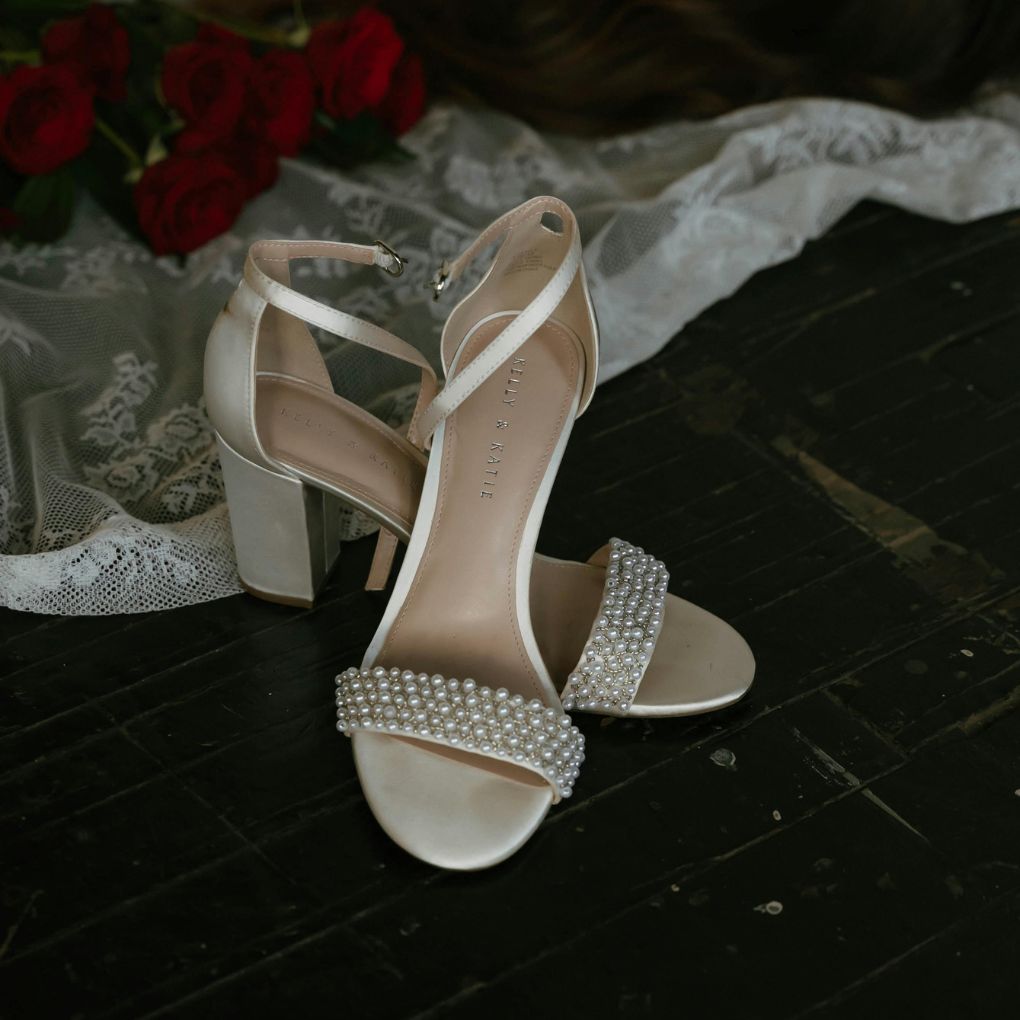
What Are Heels Shoes?
Heels shoes are footwear designed with a raised heel that elevates the back of the foot higher than the front. This elevation shifts body weight forward and changes the body’s alignment.
The key elements of heels include:
- Heel height (measured in inches or centimeters)
- Heel shape (stiletto, block, wedge, platform, cone)
- Toe shape (pointed, round, almond, square)
- Upper material (leather, suede, patent leather, synthetic, vegan)
- Cushioning and support features
Heels are worn for professional settings, formal events, casual styling, fashion statements, and personal confidence.
link:Ballet Shoes Shoes: Complete Guide to Choosing the Best Pair in 2025
The History and Evolution of Heels
Many people assume heels were always designed for women—but historically, heels were worn by men in Persian cavalry to secure their feet in stirrups. Later, European aristocracy adopted heels as a symbol of status.
In the 20th century, heels became a defining element of women’s fashion:
- 1950s: Classic pumps became mainstream.
- 1980s: Power dressing popularized structured high heels in offices.
- 2000s: Luxury brands like Christian Louboutin and Jimmy Choo turned heels into global fashion symbols.
- 2020s: Comfort, sustainability, and functionality became equally important.
Today, the market balances elegance with biomechanics.
Why Do Women Wear Heels?
1. Visual Enhancement
Heels elongate the legs and lift posture. Even a simple outfit looks more polished when paired with heels.
2. Professional Presentation
Closed-toe pumps remain standard in many corporate environments. They signal structure and professionalism.
3. Confidence Boost
Heels encourage upright posture, which often increases perceived confidence and presence.
4. Occasion Communication
Different heels communicate different messages:
- Kitten heels → Daytime professionalism
- Block heels → Practical elegance
- Stilettos → Evening glamour
- Wedges → Casual or summer wear
Types of Heels Shoes (Complete Breakdown)
Understanding heel types prevents discomfort and wrong purchases.
1. Stiletto Heels
Height: 3–5+ inches
Heel: Thin, narrow
Best for:
- Weddings
- Galas
- Cocktail parties
- Formal dinners
Advantages:
- Dramatic leg-lengthening effect
- Elegant silhouette
Disadvantages:
- Less stability
- More pressure on ball of foot
- Not ideal for extended standing
2. Block Heels
Height: 2–4 inches
Heel: Thick and square
Best for:
- Office wear
- Conferences
- Long workdays
Advantages:
- Better balance
- Even weight distribution
- Lower ankle strain
3. Kitten Heels
Height: 1–2 inches
Best for:
- Beginners
- Daily wear
- Corporate settings
They provide subtle elevation without excessive strain.
4. Wedge Heels
Heel extends under entire sole.
Best for:
- Outdoor events
- Garden weddings
- Travel
They offer high stability compared to narrow heels.
5. Platform Heels
Raised sole at front reduces steep angle.
Benefits:
- Allows higher total height
- Slightly improved comfort compared to traditional high heels
6. Slingback & Ankle Strap Heels
Straps provide extra support and reduce slipping.
Heel Height Guide: What’s Ideal?
| Heel Height | Best For | Comfort |
|---|---|---|
| 1–2 inches | Daily wear | High |
| 2–3 inches | Office | Very Good |
| 3–4 inches | Events | Moderate |
| 4+ inches | Short-term fashion | Low |
Most foot specialists recommend limiting regular wear to 2–3 inches.
link:Heels vs Flats: When to Wear What
Biomechanics: How Heels Affect Your Body
When wearing heels:
- Weight shifts forward
- Calf muscles shorten
- Knees experience increased pressure
- Lower back curvature changes
Long-term excessive wear can contribute to:
- Plantar fasciitis
- Bunions
- Achilles tendon tightness
- Knee strain
- Back discomfort
How to Protect Your Feet
- Rotate between flats and heels
- Avoid ultra-high heels daily
- Use orthotic inserts
- Stretch calves
- Choose padded insoles
How to Choose the Perfect Heels (Step-by-Step Framework)
Step 1: Identify the Occasion
- Office → 2–3 inch pump
- Wedding → Metallic or embellished heel
- Casual → Wedges or block heels
- Formal event → Patent leather stiletto
Step 2: Consider Your Foot Shape
- Wide feet → Round toe
- Narrow feet → Pointed toe
- Flat feet → Arch support
- High arches → Extra cushioning
Step 3: Assess Comfort Features
Look for:
- Memory foam footbed
- Non-slip outsole
- Stable heel base
- Adjustable straps
- Shock absorption
Step 4: Consider Wear Duration
2 hours → Higher heel acceptable
8+ hours → Choose mid-height or block heel
Materials: Durability & Comfort Explained
Genuine Leather
- Breathable
- Durable
- Molds to foot
- Higher price
Suede
- Elegant
- Needs protective spray
Patent Leather
- Formal shine
- Less flexible
Synthetic & Vegan
- Affordable
- Lightweight
- Durability varies
Luxury brands reinforce heels and soles for longevity.
Pricing Guide
| Tier | Price Range |
|---|---|
| Budget | $30–$80 |
| Mid-Range | $80–$200 |
| Premium | $200–$500 |
| Luxury | $500+ |
Higher price often reflects material quality and craftsmanship.
Heels for Different Scenarios
Corporate Environment
- Closed-toe
- Neutral shades
- 2–3 inch block heel
Wedding Guest
- Metallic tone
- Comfortable mid-height heel
Outdoor Event
- Avoid stilettos
- Choose wedges
Travel
- Moderate height
- Durable outsole
Common Mistakes to Avoid
- Buying too small
- Ignoring toe box width
- Choosing excessive height
- Not testing stability
- Wearing new heels without breaking them in
Expert Comfort Tips
- Walk heel-to-toe
- Take smaller steps
- Keep posture upright
- Use gel pads
- Alternate footwear
Styling Heels with Outfits
With Dresses
- Stilettos for formal
- Block heels for semi-formal
With Jeans
- Pointed-toe pumps
- Slingbacks
With Business Suits
- Closed-toe pumps
- Neutral colors
Heels vs Flats Comparison
| Feature | Heels | Flats |
|---|---|---|
| Height boost | Yes | No |
| Formality | High | Moderate |
| Comfort | Moderate | High |
Balance both in wardrobe.
Care & Maintenance
Leather
- Condition monthly
- Store properly
Suede
- Brush gently
- Waterproof spray
Patent
- Wipe clean
- Avoid heat
Sustainable Heels
Modern consumers prefer:
- Vegan leather
- Recycled materials
- Ethical production
Sustainability is becoming a major purchasing factor.
Frequently Asked Questions
- What heel height is safest for daily wear?
2–3 inches. - Are expensive heels worth it?
Often better materials, but fit matters more. - How do I prevent pain in heels?
Use inserts and avoid excessive height. - Which heels are easiest to walk in?
Block heels and wedges. - Can heels cause long-term damage?
High heels worn daily may contribute to strain. - What are best heels for work?
Closed-toe pumps under 3 inches. - How do beginners start wearing heels?
Begin with kitten heels or low block heels. - Are platforms more comfortable?
Sometimes, due to reduced slope. - How long should I wear high heels?
Short events only. - What material lasts longest?
Genuine leather.
Conclusion
Heels shoes are powerful style tools that enhance posture, confidence, and presentation. However, the right choice requires balancing aesthetics with comfort and health.
Before buying:
- Define the occasion
- Choose proper heel height
- Evaluate support features
- Select quality materials
- Avoid common mistakes
When chosen wisely, heels are not just fashion—they are strategic style investments that elevate both appearance and confidence.