
Best School Shoes in the USA (2026 Guide): Fit, Uniform Rules, Prices & Where to Buy
What Are School Shoes?
School shoes are durable, closed-toe footwear designed to meet school dress codes while supporting daily classroom activity. In the U.S., most schools require black or dark-colored shoes with non-marking soles and minimal branding.
They’re built for long hours of walking, standing, playground time, and indoor floor safety—without sacrificing compliance.
Why School Shoes Matter More Than You Think
Parents often focus on price and appearance. But the right pair impacts:
-
Foot development (especially ages 4–14)
-
Posture and comfort
-
Slip resistance on school floors
-
Uniform compliance
-
Durability across a full school year
Children’s feet are still forming. Poor arch support or improper sizing can lead to heel pain, blisters, or fatigue. A properly fitted shoe with EVA cushioning and a supportive insole reduces strain.
For schools and bulk buyers, uniform consistency and safety standards matter just as much.
Types of School Shoes in the USA
Different ages and school policies call for different styles.
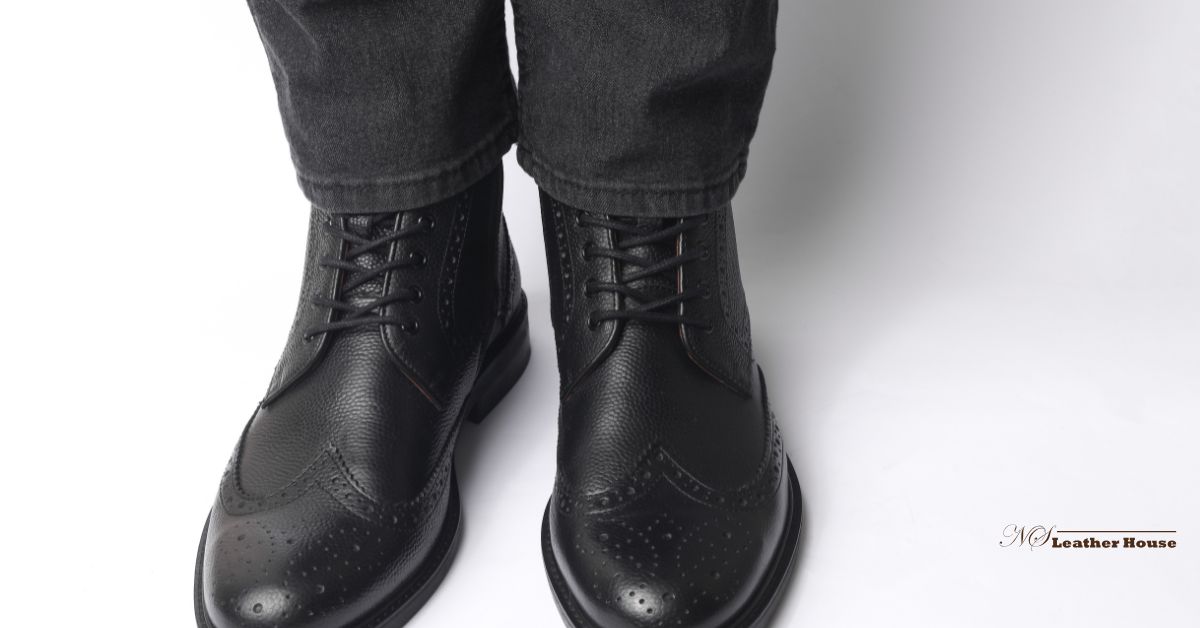
1. Leather Lace-Up Shoes
Best for: Middle and high school students
Pros:
-
Durable
-
Breathable
-
Professional look
Cons: -
Takes longer to put on
-
Higher cost
2. Velcro Strap Shoes
Best for: Preschool and elementary
Pros:
-
Easy for young children
-
Quick to remove
Cons: -
Strap may weaken over time
3. Loafers
Best for: Older students
Pros:
-
Slip-on convenience
-
Clean appearance
Cons: -
Less adjustable fit
4. Mary Jane Styles
Best for: Younger girls
Pros:
-
Secure strap
-
Uniform-friendly
Cons: -
Less suitable for sports-heavy days
5. All-Black Athletic Shoes
Best for: Schools that allow sneakers
Pros:
-
Comfortable
-
Lightweight
Cons: -
May violate strict uniform policies
Always confirm your school’s handbook before purchasing.
How to Choose the Right School Shoes
Step 1: Check the Dress Code
Look for:
-
Required color (often black)
-
Logo restrictions
-
Heel height limits
-
Closed-toe requirements
Private schools may require leather only. Public schools vary by district.
Step 2: Measure Properly at Home
-
Place foot flat on paper.
-
Mark heel and longest toe.
-
Measure length and width.
-
Leave thumb-width space at the toe.
Avoid buying a full size larger. Growth allowance is good—oversizing is not.
Step 3: Identify Foot Type
-
Flat feet: Look for structured arch support.
-
Wide feet: Choose wide-fit or extra-wide options.
-
High arches: Prioritize cushioning.
Removable insoles allow orthotics if needed.
Step 4: Consider Climate
USA weather varies widely.
-
Cold states (Minnesota, New York): Waterproof leather.
-
Hot regions (Texas, Arizona, Florida): Breathable lining.
-
Rain-heavy areas (Seattle, Pacific Northwest): Slip-resistant soles.
link:School shoes
Materials Explained
Genuine Leather
-
Long-lasting
-
Molds to foot shape
-
Breathable
-
Higher price tier
Synthetic (PU) Leather
-
Affordable
-
Water-resistant
-
Less breathable
Rubber Outsole
-
Non-marking
-
Flexible
-
Slip-resistant
EVA Midsole
-
Shock absorption
-
Lightweight cushioning
Reinforced toe caps are recommended for active children.
How Long Should School Shoes Last?
Typically 6–12 months depending on:
-
Activity level
-
Growth rate
-
Material quality
-
Care habits
Budget shoes may wear out faster. Premium brands like Clarks or Ecco may last longer but cost more upfront.
link:Browns Shoes UGGs Boots: The Ultimate Holiday 2025 Winter Buying Guide
School Shoes Pricing in the USA
| Tier | Price Range | Typical Retailers |
|---|---|---|
| Budget | $20–$40 | Walmart, Target |
| Mid-Range | $40–$80 | Skechers, Clarks |
| Premium | $80–$150 | Ecco, Dr. Martens |
During back-to-school season (July–September), many retailers offer promotions. Tax-free weekends in some states can reduce total cost.
For bulk buyers, wholesale suppliers and uniform distributors offer volume discounts.
Where to Buy School Shoes Near You
Common nationwide retailers include:
-
Walmart
-
Target
-
Amazon
-
Clarks
-
Skechers
-
Local uniform stores
Search terms like “school shoes near me” or “school uniform shoes in [your city]” often trigger local store listings with pickup options.
In-Store vs Online
In-Store
-
Better fit accuracy
-
Immediate exchange
-
Helpful for wide widths
Online
-
Easier price comparison
-
Wider size range
-
Convenient returns (check policy)
A practical strategy: order two sizes and return one.
Compliance & Safety Considerations
Most U.S. schools require:
-
Closed-toe design
-
Black or dark color
-
Minimal logos
-
Low heel
-
Non-marking sole
Slip resistance is particularly important in cafeterias and polished gym floors. Some institutions prefer rubber outsoles for safety.
Failure to meet dress code may result in warnings or required replacements.
Common Mistakes Parents Make
-
Buying based on style only
-
Ignoring width measurements
-
Skipping waterproofing in rainy regions
-
Not checking uniform policy first
-
Choosing ultra-cheap pairs that fail mid-year
A durable pair often costs less per wear than replacing two cheaper ones.
Special Considerations
For Active Kids
Look for reinforced stitching and shock-absorbing midsoles.
For Kids With Flat Feet
Choose structured insoles or consider pediatric podiatry advice.
For Teens
Minimal design and longer-lasting soles matter more than easy closure systems.
B2B: Bulk School Shoe Buying
Schools and uniform retailers should consider:
-
Vendor reliability
-
Consistent sizing charts
-
Slip-resistant certifications
-
Volume pricing tiers
-
Return policies
Private label options are available through footwear wholesalers in the U.S.
Care & Maintenance Tips
-
Polish leather weekly.
-
Air-dry after rain (avoid direct heat).
-
Replace worn insoles every 6–12 months.
-
Inspect sole wear monthly.
-
Rotate pairs if possible.
Proper maintenance can extend lifespan significantly.
Alternatives to Traditional School Shoes
If policy allows:
-
All-black athletic sneakers
-
Orthopedic footwear
-
Vegan leather options
Always confirm dress code before switching styles.
Frequently Asked Questions
1. What shoes are best for school?
Durable, closed-toe shoes with arch support and non-marking soles that comply with school dress codes are best.
2. Are sneakers allowed as school shoes?
Some schools allow all-black athletic shoes. Others require leather or uniform-specific styles.
3. Should I size up for school shoes?
Leave about a thumb-width of space at the toe. Avoid buying a full size larger.
4. How much do school shoes cost in the USA?
Prices typically range from $20 to $150 depending on brand and material.
5. How do I know if school shoes fit properly?
The heel should stay secure, toes shouldn’t press the front, and the child should walk comfortably without slipping.
6. Are leather school shoes better than synthetic?
Leather is more breathable and durable but usually more expensive.
7. When should school shoes be replaced?
Replace them when soles wear thin, toes feel tight, or structural support declines.
8. Can kids wear running shoes to school?
Only if the school permits athletic-style footwear in approved colors.
Conclusion
The best school shoes balance comfort, durability, and compliance. Start by checking your school’s uniform policy. Measure accurately, choose materials suited to your climate, and prioritize arch support and slip resistance.
For families, investing in quality footwear reduces replacements and improves daily comfort. For schools and bulk buyers, consistency and safety standards are key.
Choose wisely, check fit regularly, and your school shoes should carry students confidently through the entire academic year.