
Shoe Polish for Leather Shoes: Complete Care Guide 2025
How to Choose the Best Shoe Polish for Leather Shoes
Your leather shoes face relentless daily punishment. Cold weather, rain damage, and constant wear and tear transform pristine footwear into scuffed, lifeless casualties. Without proper intervention using quality shoe polish, even premium dress shoes develop unsightly surface cracks and lose their original luster. Most Americans replace shoes prematurely, unaware that simple leather care techniques could extend lifespan by years. Learning how to properly apply polish, buff shoes effectively, and establish consistent maintenance routines transforms this expensive cycle. This comprehensive guide reveals professional secrets that’ll resurrect your beat-up shoes, create enviable mirror shine finishes, and save hundreds of dollars annually through strategic shoe care routine practices anyone can master at home.
Introduction to Professional Shoe Care
Professional shoe polish techniques separate enthusiasts from amateurs. Master cobblers understand that leather conditioning forms the foundation of exceptional shoe care routine practices. Your leather shoes face brutal conditions daily yet most owners neglect basic maintenance until damage becomes irreversible. Starting a disciplined leather care regimen today prevents costly replacements tomorrow while keeping footwear looking pristine.
The best shoe polish for leather combines strategic product selection with consistent application habits. Quality shoe polish costs less than $15 yet delivers transformative results when applied correctly using proper circular motion techniques. Establishing your personalized shoe care routine requires understanding different leather types, selecting appropriate cleaner and conditioner products, then committing to monthly maintenance sessions that preserve your investment.
Understanding Different Types of Leather Shoes
Full-grain leather represents the pinnacle of footwear materials. This premium leather retains natural surface characteristics including slight imperfections that prove authenticity. Full-grain leather develops beautiful patina over time when treated with quality cream polish and regular leather conditioning sessions. The tough leather construction resists surface damage better than cheaper alternatives while responding magnificently to professional shoe shine techniques.
Top-grain leather undergoes sanding to remove imperfections before finishing. This process creates uniform appearance but sacrifices some durability compared to full-grain options. Corrected grain leather receives heavier processing including embossed patterns mimicking natural texture. Each leather type demands specific shoe cleaning approaches. Suede and nubuck require specialized cleaner formulations while patent leather needs gentle wipe down methods avoiding harsh abrasives that damage glossy surface finishes.
| Leather Type | Durability | Maintenance Level | Best Polish Type |
| Full-Grain | Excellent | Medium | Cream polish + Wax |
| Top-Grain | Good | Medium | Cream polish |
| Corrected Grain | Fair | Low | Wax polish |
| Suede/Nubuck | Poor | High | Specialized cleaner only |
| Patent Leather | Good | Very Low | Damp rag only |
Essential Shoe Care Tools and Products You Need
Building your shoe care arsenal starts with quality brushes. Horsehair polishing brush options provide gentle yet effective buff action that brings out brilliant shine without scratching leather surfaces. Applicator brush tools distribute polish evenly while reaching tight spaces around lace-ups hardware and stitching details. Serious enthusiasts invest in separate brush sets for different polish colors preventing unwanted color transfer between footwear.
Shoe polish for brown leather shoes requires matching shade selection while neutral formulas work across multiple colors. Premium shoe wax brands like Saphir and Kiwi dominate American markets offering reliable results. Chamois cloth pieces deliver superior buff performance during final finishing stages creating enviable mirror shine effects. Complete kits include shoe cleaner solutions, leather moisturizer products, applicators, multiple brush types, chamois cloths, and both cream and wax polish varieties costing $50-$150 total.
Essential Tool Checklist:
Horsehair polishing brush for buffing, Applicator brush for product application, Chamois cloth for mirror finishing, Shoe cleaner for dirt removal, Leather conditioner for moisture, Cream polish for color restoration, Wax polish for protective layer, Cotton rags for general use, Shoe trees for shape maintenance, Storage container for organization
Daily Shoe Maintenance Habits
Implementing quick shine practices after each wear prevents dirt accumulation. Remove your laces then wipe down leather surfaces using slightly damp rag removing surface grime before it embeds into pores. This 60-second routine eliminates particles that cause premature wear and tear damage. Insert shoe trees immediately while leather remains warm and pliable helping maintain proper shape while absorbing residual moisture from snowy commutes or rain damage exposure.
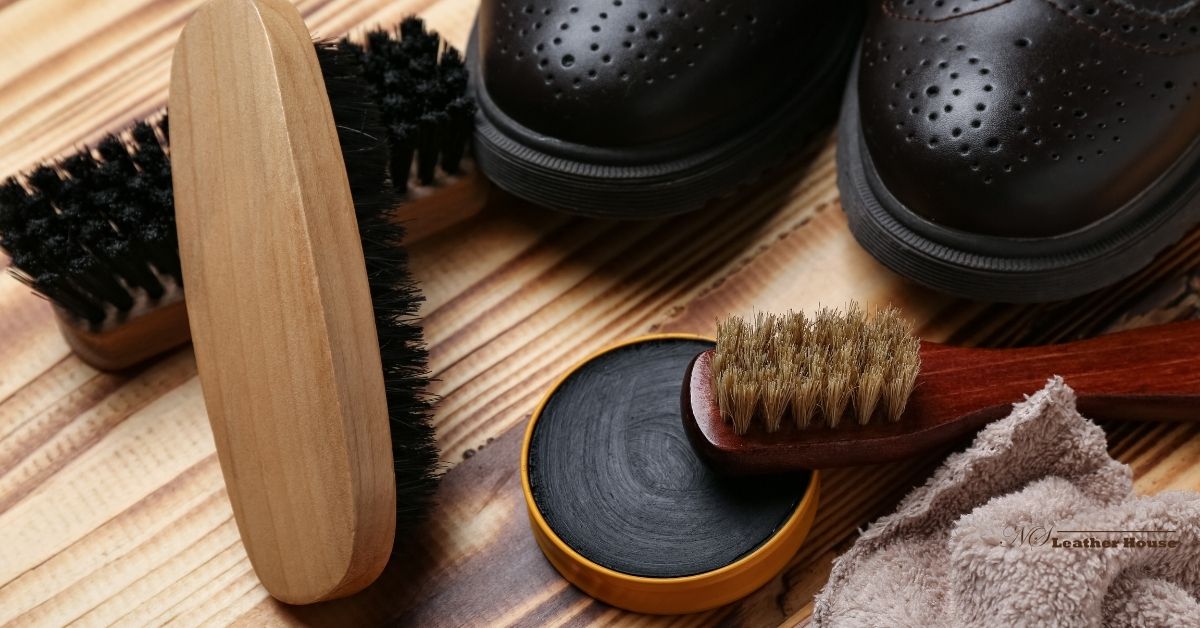
white shoe polish for leather shoes
Rotating footwear prevents moisture deprivation and extends lifespan dramatically. Leather shoes need 24-48 hours recovery time between wearings allowing complete drying and shape retention. Americans wearing same dress shoes daily accelerate deterioration compared to those rotating three pairs weekly. Store footwear in cool, dry locations away from direct heat sources that crack leather. Stuffing shoes with cedar trees absorbs humidity while releasing pleasant aromatics that neutralize odors naturally.
The Complete Shoe Polishing Process – Step by Step
Comprehensive leather shoe maintenance follows systematic protocols ensuring optimal results. Begin by removing laces completely exposing tongue areas often overlooked during casual cleaning sessions. Inspect shoes carefully identifying scuff marks, surface cracks, and areas showing faded shine requiring extra attention. Address these problem zones with appropriate treatments before proceeding to overall polish application preventing incomplete restoration results.
Clean leather thoroughly using quality shoe cleaner applied with damp rag in gentle circular motion patterns. Remove grime from sole edges, welts, and decorative stitching where dirt accumulates unnoticed. Allow shoes to dry completely, typically 15 minutes, before applying leather conditioner that moisturize and protect against future surface damage. Condition leather prevents moisture loss that causes unsightly cracking especially important for footwear enduring harsh cold weather and dry weather conditions throughout winter months.
Apply polish using applicator brush starting with small amounts distributed evenly across entire leather surface. Cream polish penetrates deeper providing superior color restoration while wax polish creates durable protective layer enhancing shine dramatically. Work product into leather using firm circular strokes paying special attention to toe caps and heel counters experiencing heaviest wear. Let polish dry approximately 10 minutes forming slight haze before buff stages begin.
Buff shoes vigorously using clean horsehair polishing brush removing excess product while activating glossy finish. Rapid back-forth strokes generate friction heat bonding wax molecules to leather creating enviable luster. Final passes with chamois cloth elevate results further producing mirror finish effects on properly prepared surfaces. This complete process requires 15 minutes initially but becomes faster with practice.
Quick 5-Minute Shoe Shine Method
Running out the door doesn’t excuse neglecting footwear appearance. The express quick shoe shine technique delivers respectable results when time constraints prevent full leather care routine sessions. This streamlined approach works perfectly for monthly maintenance between deeper cleaning cycles maintaining presentable appearance for professional environments and social occasions requiring polished presentation.
Start by wipe down shoes removing loose dirt using slightly damp rag. Apply all-in-one leather conditioning products combining cleaner, conditioner, and polish properties in single formulation. Quality express products like Lexol or Bickmore deliver decent shine and protection within few minutes. Rub in polish using circular motion focusing on visible surfaces while accepting compromise on hard-to-reach areas. Quick buff with any available cloth produces acceptable glossy surface suitable for most situations though serious enthusiasts reserve this method exclusively for emergency touchups.
Standard 10-Minute Shoe Polishing Routine
The 10-minute protocol represents ideal balance between thoroughness and time efficiency. This once monthly ritual maintains leather shoes in excellent condition preventing major restoration needs while building gradual patina development that distinguishes quality footwear. Consistent weekly sessions using this method keep dress shoes perpetually ready for important meetings, interviews, and formal events without last-minute scrambling.
Follow complete cleaning protocol removing dirt with dedicated shoe cleaner before condition leather using quality moisturizer preventing surface cracks formation. Apply matching cream polish rebuilding color where scuff marks have removed pigmentation. Layer wax polish over cream application creating robust protective layer that resists rain damage and scuff formation during normal wear. Buff thoroughly achieving bright shine that catches light beautifully. This expanded routine adds crucial conditioning step absent from quick shine methods while delivering professional-grade results rivaling cobbler services costing $15-25 per session.
Mirror Shine Technique – 15 Minutes to Perfection
Achieve mirror finish results through patient layering and specialized techniques. Mirror shine demands smooth surface preparation impossible on leather showing surface cracks or heavy wear and tear damage. Select shoes with well treated toe caps and heel counters where wax layers build effectively creating reflective properties. Military personnel and formal occasion attendees favor this professional shoe polish method producing stunning extra shiny effects that photograph beautifully.
The chamois buffing method combined with water creates unparalleled results. Apply thin wax polish layer to target areas using applicator brush or fingers. Splash single water drop onto wax then buff rapidly using wrapped chamois cloth around fingers. The circular motion polishing technique incorporating water facilitates wax spreading and bonding. Repeat this process adding minimal wax with each layer building depth gradually over 10-15 applications. Patience rewards practitioners with mirror shine reflecting surrounding objects clearly. This advanced toe shine technique requires practice but produces unmistakable professional results impossible through basic buff methods alone.
Best Shoe Brushes – Types and Selection Guide
Polishing brush selection dramatically impacts final results quality. Horsehair bristles remain gold standard offering perfect balance between firmness and gentleness. Stiff bristles buff aggressively removing stubborn surface grime while softer versions shine delicate leather without scratching. Premium brands like Kiwi, Collonil, and Saphir manufacture superior brush tools justifying higher prices through exceptional durability and performance longevity.
Applicator brush tools feature smaller size and denser bristle packing ideal for product distribution. These specialized implements reach tight lace-ups areas and decorative stitching zones standard polish cloths miss entirely. Maintaining separate applicator sets for light and dark polish colors prevents accidental contamination. Clean brushes regularly using mild soap solution removing accumulated wax buildup that reduces effectiveness. Professional kits include minimum four brush types: stiff cleaning bristle, soft shine bristle, cream applicator, and wax applicator ensuring proper tool for every leather care task.
| Brush Type | Bristle Material | Primary Use | Average Cost |
| Cleaning | Synthetic/Horsehair | Remove grime | $8-15 |
| Polishing | Horsehair | Buff and shine | $12-25 |
| Applicator | Horsehair/Synthetic | Apply polish | $5-12 |
| Dauber | Horsehair | Cream application | $6-10 |
| Chamois | Natural chamois | Mirror finish | $10-20 |
Shoe Trees – Why They’re Essential
Shoe tree insertion represents non-negotiable shoe maintenance practice. Cedar constructions absorb moisture while releasing natural oils that condition leather and neutralize odors simultaneously. Plastic alternatives cost less but lack moisture management properties making them inferior investments. Quality shoe trees prevent toe collapse and heel counter warping that ruins footwear silhouettes permanently regardless of polish applications.
Insert trees immediately after removing shoes while leather retains body warmth and pliability. This timing allows trees to shape leather optimally preventing permanent creasing that mars appearance. Proper sizing ensures adequate stretch without overstressing seams and construction. Shoe trees should fill length completely while providing gentle width pressure. Split-toe designs accommodate various foot shapes better than solid constructions. Premium options from Woodlore and Allen Edmonds cost $25-40 but last decades while protect shoes representing fraction of replacement costs for quality leather shoes averaging $200-500 pairs.
Top Shoe Cleaners for Leather Care
Shoe cleaner selection impacts entire leather care routine success. Saddle soap remains traditional favorite among purists offering gentle yet effective clean action removing surface grime without stripping natural oils. Modern formulations include Lexol pH-balanced cleaner and Jason Markk premium solution favored by sneaker enthusiasts. These products remove dirt while preparing surfaces for optimal conditioner and polish absorption preventing moisture deprivation and premature aging.
Application technique matters equally to product quality. Wipe down shoes using barely damp rag avoiding excess water that damages leather. Work cleaner into surfaces using gentle circular strokes lifting embedded particles without aggressive scrubbing causing surface damage. Pay special attention to sole edges and welt areas where road salt and grime accumulate during snowy commutes causing accelerated deterioration. Rinse applicators thoroughly between sessions preventing cross-contamination. Deep clean quality dress shoes twice a month minimum while heavily worn pairs benefit from weekly sessions maintaining pristine condition.
Best Leather Conditioners to Keep Shoes Soft
Leather conditioning prevents catastrophic cracking that ruins expensive footwear permanently. Quality conditioner formulations replenish natural oils lost through wear and tear and environmental exposure. Bickmore Bick 4 and Chamberlain’s Leather Milk dominate American markets providing superior moisturize performance without darkening leather tones. These products protect against moisture loss while maintaining smooth surface texture preferred by discerning owners.
Condition leather quarterly minimum though harsh cold weather and dry weather conditions warrant increased frequency. Apply thin coat using clean rag allowing complete absorption before polish application. Over-conditioning softens leather excessively compromising structural integrity. Proper leather treatment maintains supple characteristics without creating greasy residue attracting dirt. Beat-up leather showing severe surface cracks requires intensive conditioning protocols using multiple applications spaced 24 hours apart allowing gradual moisture penetration. This rehabilitative approach often restore shine to seemingly ruined footwear saving hundreds in replacement costs.
Cream Polish vs Wax Polish – Complete Comparison
Understanding difference between cream and wax polish revolutionizes shoe care outcomes. Cream polish contains higher pigment concentrations delivering superior color restoration properties. These formulations penetrate leather pores replenishing lost dye while providing moderate protection. Wax polish emphasizes surface shine and weather resistance creating durable protective layer that resists rain damage and scuff formation effectively.
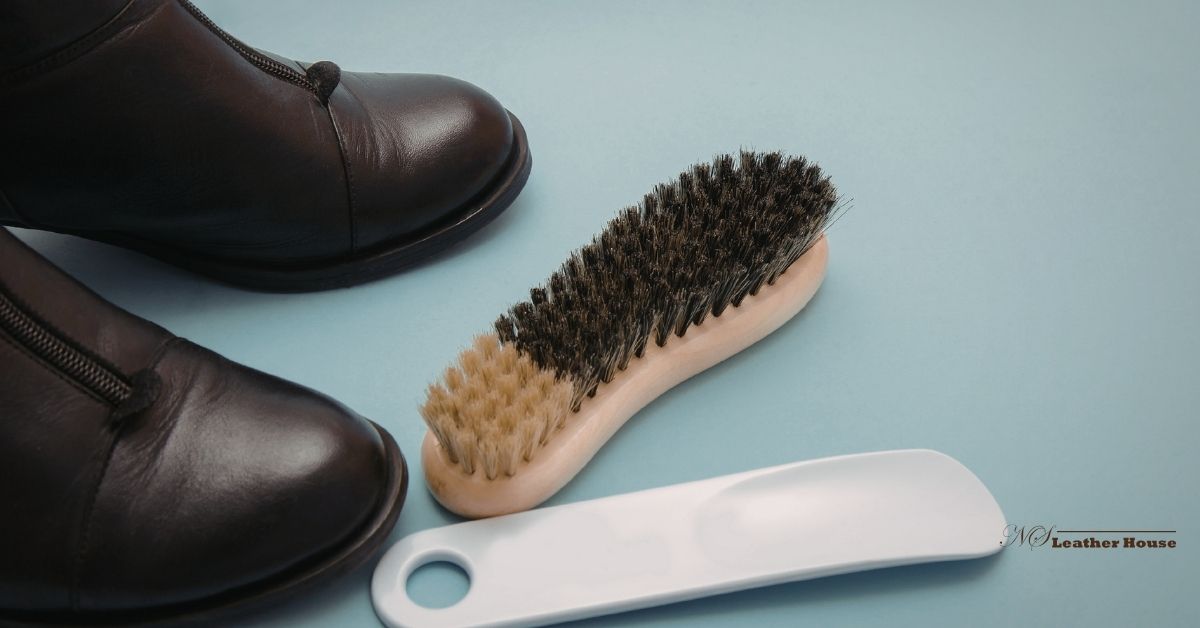
white shoe polish for leather shoes
Shoe polish for brown leather shoes often combines both types strategically. Apply cream first rebuilding color where scuffed spots removed pigmentation. Allow cream drying completely before layering wax formulations that seal color treatment while adding brilliant glossy finish. This dual approach delivers professional results impossible using single product type. Neutral wax works across all colors providing protection without altering existing tones. Premium brands manufacture specialized formulas for specific leather types maximizing compatibility and performance.
| Feature | Cream Polish | Wax Polish |
| Color Restoration | Excellent | Poor |
| Shine Level | Medium | High |
| Protection | Moderate | Excellent |
| Penetration | Deep | Surface |
| Application Frequency | Monthly | Weekly |
| Best For | Color refresh | Mirror finish |
| Drying Time | 10 minutes | 5 minutes |
How to Apply Shoe Cream Over Polish Properly
Proper layering sequence prevents product incompatibility disasters. Always clean leather thoroughly before any polish application removing surface grime that prevents absorption. Apply conditioner first addressing moisture deprivation and preparing surfaces. Cream polish follows next rebuilding color where needed using applicator brush distributing product evenly. Allow 15 minutes drying time before proceeding ensuring cream penetrates rather than mixing with subsequent wax applications.
Wax polish layers over dried cream sealing color treatment while adding protective properties. This sequencing maximizes both products’ strengths creating well treated leather resisting environmental damage. Common mistakes include applying wax first preventing cream penetration or insufficient drying between stages causing streaky glossy surface finishes. Professional shoe shine at home requires patience respecting necessary drying intervals. Master cobblers spend years perfecting these techniques though dedicated amateurs achieve comparable results following systematic protocols consistently.
Achieving the Perfect Mirror Shine
Mirror shine shoe polish technique demands meticulous surface preparation. Only smooth leather areas lacking heavy grain texture accept mirror finish treatments successfully. Toe caps and heel counters provide ideal surfaces where multiple wax layer applications build reflective depth. Begin with comprehensive clean and condition protocol ensuring leather remains healthy beneath decorative shine. Neglecting foundational leather care creates beautiful but short-lived results over deteriorating materials.
The best way to buff shoes for mirror effects incorporates water strategically. Wrap chamois cloth tightly around index finger creating smooth applicator surface. Apply minimal wax polish to target area then add single water drop. Buff rapidly using tight circular motion spreading wax microscopically thin. Repeat this process 15-20 times building transparent layer gradually. Patience separates successful practitioners from frustrated beginners. Professional results require 20-30 minutes per shoe initially though experienced enthusiasts reduce this to 10-15 minutes maintaining existing mirror finishes. This advanced technique elevates ordinary dress shoes into conversation pieces worthy of admiration.
Color Matching and Restoration Tips
Selecting best shoe polish for leather matching existing tones prevents color disasters. Test products inconspicuously before full application. Neutral formulas provide protection without altering colors while targeted shades rebuild faded areas. Scuff marks often remove pigmentation creating lighter spots requiring matching cream polish treatments. Mixing complementary shades achieves custom colors unavailable commercially though this advanced technique requires experimentation and experience.
Restore severely damaged leather through graduated color building. Start with light applications assessing color development before adding density. Multiple thin coat applications prevent unnatural darkness. White shoe polish for leather shoes presents unique challenges requiring specialized formulations preventing yellowing. Tarrago and Angelus manufacture quality white products suitable for leather footwear though maintaining pristine white shine demands frequent cleaning preventing dirt accumulation. Professional dyeing services handle extreme restoration cases beyond DIY capabilities costing $40-80 but salvaging otherwise ruined expensive footwear.
Common Shoe Care Mistakes to Avoid
Over-polishing creates waxy buildup obscuring leather natural beauty. Excessive wax layer accumulation prevents leather breathing causing moisture problems and premature deterioration. Strip accumulated polish annually using dedicated removers or rubbing alcohol restoring leather to baseline condition. This reset allows fresh leather care routine establishment preventing counterproductive product saturation.
Using incorrect cleaner formulations damages leather irreparably. Harsh solvents and detergents strip natural oils accelerating surface cracks formation. Similarly, aggressive buff pressure during shine stages scratches delicate surfaces creating dull patches resisting subsequent polish attempts. Protect shoes by using appropriate products and gentle techniques. Ignoring sole and edge maintenance while focusing exclusively on uppers creates unbalanced appearance. Comprehensive shoe maintenance addresses entire footwear including often-neglected areas contributing to overall presentation quality.
Seasonal Shoe Care – Monsoon and Winter Protection
Protect leather shoes from rain using quality waterproofing treatments applied before wet weather exposure. Silicone-based sprays create invisible barriers repelling moisture without affecting leather breathability or appearance. Reapply monthly during rainy seasons maintaining consistent protection. Snow and road salt present severe threats requiring immediate clean action after exposure preventing permanent staining and leather degradation.
Winter storage demands careful preparation. Clean, condition, and polish thoroughly before extended storage periods. Insert shoe trees maintaining shape during dormancy. Store in breathable bags avoiding plastic containers trapping moisture and promoting mildew growth. Cold weather and indoor heating create dry environments accelerating moisture deprivation. Increase conditioning frequency during winter months maintaining leather suppleness despite harsh conditions. Summer humidity presents opposite challenges requiring dehumidifier use in storage areas preventing mold and mildew formation on valuable dress shoes.
Professional vs DIY Shoe Care – What to Choose
Professional cobbler services cost $15-35 per session delivering expert results though frequent sessions become expensive. DIY shoe care requires initial investment of $50-150 for quality supplies but subsequent maintenance costs pennies per session. Annual comparison shows DIY approaches saving $150-300 while building valuable skills. However, complex restoration projects including sole replacement, stretching, and extensive color correction exceed amateur capabilities requiring professional intervention.
Maintain dress shoes at home handling routine cleaning, conditioning, and polishing tasks independently. Reserve cobbler visits for specialized repairs and annual deep conditioning treatments. This hybrid approach balances cost efficiency with expert care for valuable footwear. Professional shoe shine services at airports and hotels provide convenient quick shine solutions while traveling though quality varies dramatically. Carrying compact travel shoe care kits ensures consistent maintenance regardless of location maintaining professional appearance during business trips.
Conclusion – Building Your Shoe Care Routine
Establishing sustainable leather shoes maintenance routine requires commitment but rewards practitioners with stunning footwear and substantial savings. Start with quality shoe polish for leather shoes from reputable brands then build skills gradually. Begin with simple 10-minute weekly sessions before attempting advanced mirror shine techniques. Consistency matters more than perfection, regular basic care outperforms occasional intensive efforts.
Invest in proper tools including horsehair polishing brush sets, chamois cloth, and quality cream plus wax polish formulations. Protect investments by implementing daily habits like shoe tree insertion and rotation schedules. Master fundamental techniques before exploring advanced methods. Your leather shoes deserve respect and proper treatment ensuring years of reliable service while maintaining impressive appearance. Start your leather care journey today transforming beat-up shoes into pristine examples of professional shoe polish excellence that command admiration and respect wherever you walk.